Is an Endoscopy Painful? What Patients Should Know Before Visiting an Endoscopy Clinic Singapore
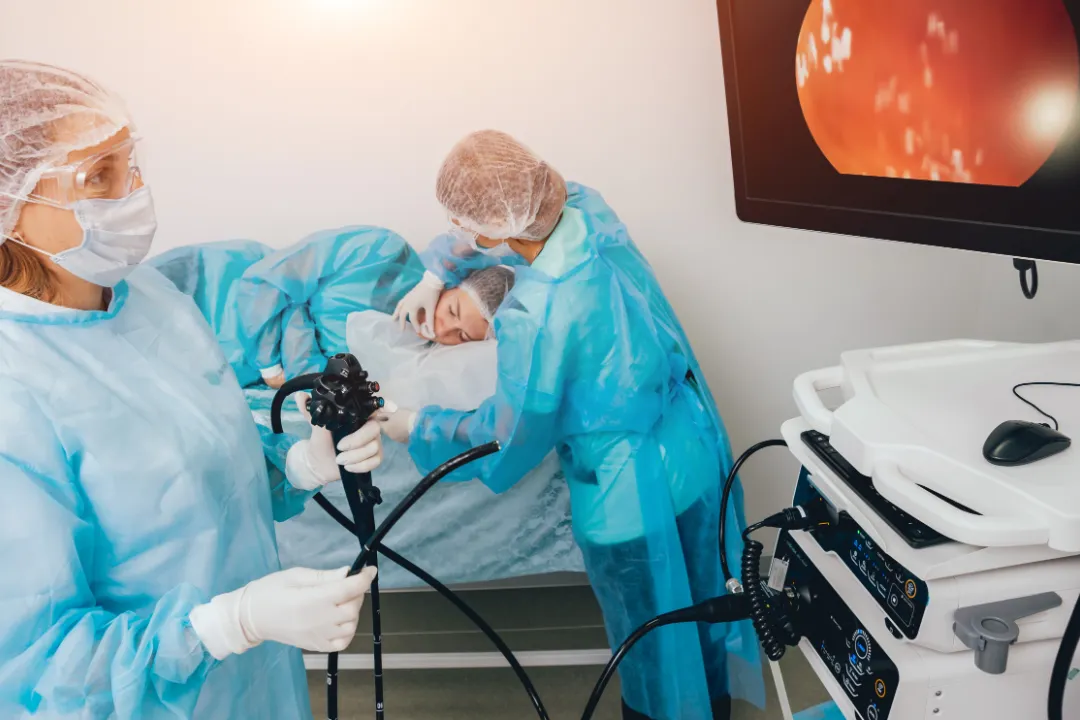
Many people feel anxious when their doctor recommends an endoscopy. One of the most common questions patients ask is whether the procedure is painful. While it is natural to feel concerned, modern endoscopy techniques are generally well tolerated and can provide valuable information about the digestive tract.
Whether you are experiencing persistent heartburn, abdominal discomfort, difficulty swallowing, or other digestive symptoms, understanding what to expect can help you feel more prepared and confident before visiting an endoscopy clinic Singapore. By learning how the procedure is performed and why it is recommended, patients can make informed decisions about their digestive health. To learn more about the conditions that may require endoscopic evaluation and what happens during the procedure, read more below.
Why Might You Need an Endoscopy?
An endoscopy is a valuable diagnostic procedure that allows doctors to examine the lining of the digestive tract using a thin, flexible tube equipped with a camera. It is often recommended when patients experience persistent or unexplained gastrointestinal symptoms that require further investigation. While some digestive issues may resolve on their own, ongoing symptoms can sometimes indicate underlying conditions that should not be overlooked.
Common reasons for undergoing an endoscopy include persistent heartburn or acid reflux, chronic abdominal pain, difficulty swallowing, unexplained nausea or vomiting, gastrointestinal bleeding, and changes in bowel habits. In some cases, doctors may also recommend an endoscopy to investigate unexplained weight loss, iron deficiency anaemia, or abnormal findings from imaging tests.
Unlike blood tests or scans, an endoscopy provides direct visualisation of the digestive tract, allowing doctors to identify inflammation, ulcers, polyps, bleeding sources, or other abnormalities. It can also enable tissue samples (biopsies) to be collected for further analysis, helping to establish an accurate diagnosis and guide appropriate treatment.
Common Gastrointestinal Conditions That May Require Endoscopy
Many digestive conditions can cause symptoms such as abdominal pain, heartburn, nausea, bloating, changes in bowel habits, or gastrointestinal bleeding. Because these symptoms often overlap, an endoscopy may be recommended to identify the underlying cause and determine the most appropriate treatment.
Some of the common gastrointestinal conditions that may require endoscopic evaluation include:
- Gastritis – Inflammation of the stomach lining that can cause upper abdominal discomfort, nausea, indigestion, and bloating.
- Stomach ulcers – Open sores that develop in the stomach or upper small intestine and may lead to pain, bleeding, or anaemia.
- Gastroesophageal reflux disease (GERD) – Persistent acid reflux that can damage the lining of the oesophagus over time.
- Barrett’s oesophagus – A condition associated with long-term acid reflux that may increase the risk of oesophageal cancer.
- Difficulty swallowing (dysphagia) – Endoscopy can help identify narrowing of the oesophagus, inflammation, or other structural abnormalities that make swallowing difficult.
- Gastrointestinal bleeding – Symptoms such as black stools, blood in vomit, or unexplained iron deficiency anaemia may require endoscopic investigation to locate the source of bleeding.
- Colon polyps – Growths in the colon that can sometimes develop into colorectal cancer if left untreated.
- Inflammatory bowel disease (IBD) – Conditions such as Crohn’s disease and ulcerative colitis may require colonoscopy for diagnosis and monitoring.
- Colorectal cancer – Colonoscopy plays an important role in detecting colorectal cancer and identifying precancerous changes at an earlier stage.
One of the key advantages of endoscopy is that it allows doctors to directly examine the digestive tract rather than relying solely on blood tests or imaging scans. During the procedure, tissue samples (biopsies) can be taken for further analysis, and certain abnormalities, such as polyps, may be removed at the same time.
Is an Endoscopy Painful?
Most patients do not describe an endoscopy as painful. During a gastroscopy, you may experience mild throat discomfort or a brief gagging sensation, while a colonoscopy may cause temporary bloating or mild cramping. To improve comfort, sedation is commonly offered, allowing many patients to feel relaxed and remember little of the procedure.
The examination is typically short, and any discomfort usually resolves quickly afterwards. Throughout the procedure, the medical team closely monitors your comfort and safety. For many patients, the benefits of identifying the cause of their digestive symptoms far outweigh the temporary discomfort associated with the examination.
What Happens During the Procedure?
Although the process may differ slightly between a gastroscopy and colonoscopy, most endoscopy procedures involve the following steps:
- Pre-procedure assessment: Your doctor will review your medical history, symptoms, and any medications you are taking.
- Sedation: Sedation may be administered to help you feel relaxed and comfortable during the examination.
- Endoscopic examination: A thin, flexible endoscope is carefully guided into the digestive tract to examine the lining for abnormalities.
- Additional procedures if needed: Tissue samples (biopsies) may be taken, and certain abnormalities such as polyps can sometimes be removed during the same procedure.
- Recovery: After the examination, you will be monitored in a recovery area until the effects of sedation wear off.
Most endoscopy procedures are completed within a relatively short time, and your doctor will discuss the findings and any recommended follow-up care.
Recovery After an Endoscopy
Most patients recover quickly after an endoscopy and can return home on the same day. The recovery experience may vary depending on the type of procedure performed and whether sedation was used.
Common temporary effects after an endoscopy include:
- Mild bloating or abdominal discomfort following a colonoscopy.
- Temporary throat irritation after a gastroscopy.
- Drowsiness or fatigue if sedation was administered.
- Passing gas more frequently as air introduced during the procedure leaves the digestive tract.
These symptoms are usually mild and resolve within a short period. If sedation was used, patients are generally advised to avoid driving, operating machinery, or making important decisions for the rest of the day. Your doctor will explain the findings, discuss any biopsy results if applicable, and advise on any necessary follow-up care.
When Should You Visit an Endoscopy Clinic Singapore?
While occasional digestive discomfort is common, persistent or unexplained symptoms should not be ignored. Seeking medical attention early can help identify underlying gastrointestinal conditions before they become more serious.
You may benefit from an evaluation at an endoscopy clinic Singapore if you experience:
- Persistent heartburn or acid reflux
- Difficulty or pain when swallowing
- Chronic abdominal pain or bloating
- Unexplained nausea or vomiting
- Blood in the stool or black, tarry stools
- Unexplained weight loss
- Iron deficiency anaemia without a clear cause
- Changes in bowel habits that persist
An endoscopy can provide valuable information about the digestive tract and help your doctor determine the cause of your symptoms.
Conclusion
Although many patients worry that an endoscopy may be painful, the procedure is generally well tolerated and plays an important role in diagnosing a wide range of digestive conditions. If you are experiencing persistent gastrointestinal symptoms, seeking medical evaluation early can help identify the cause and support timely treatment. If you would like to discuss your concerns or arrange a consultation, contact us, at:
Gastrohealth Clinic @ Gleneagles – Dr Bhavesh Doshi | Gastroscopy | Colonoscopy | Health Screening | EUS and ERCP Singapore
6A Napier Rd, #05-35C Gleneagles Hospital Annexe Block, Singapore 258500
Phone: +65 6355 5773