Orthopaedic Surgeon Singapore: How to Treat Frozen Shoulder Effectively
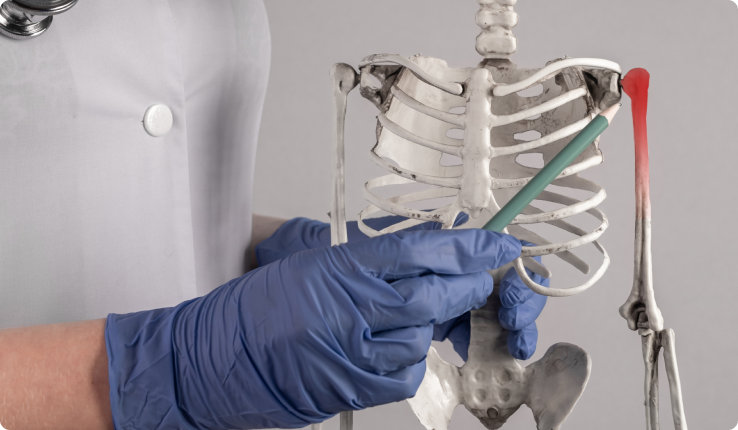
Frozen shoulder, medically known as adhesive capsulitis, is a condition where the shoulder joint becomes painful and progressively stiff, limiting its normal movement. Many patients experience persistent discomfort, difficulty lifting the arm, and a noticeable reduction in range of motion. Simple daily activities such as getting dressed, reaching overhead, or even sleeping comfortably can become challenging over time.
If you are facing these symptoms, consulting an orthopaedic surgeon Singapore can help you understand the cause and explore appropriate treatment options. In this article, we provide a clear guide on how frozen shoulder can be treated effectively, from conservative care to more advanced interventions.
What Causes Frozen Shoulder?
Frozen shoulder can develop either without a clear reason (primary adhesive capsulitis) or as a result of an underlying condition (secondary frozen shoulder). In many cases, it occurs when the shoulder joint becomes inflamed, leading to thickening and tightening of the joint capsule, which restricts movement over time.
Several risk factors can increase the likelihood of developing this condition, including diabetes, thyroid disorders, previous shoulder injuries, or prolonged immobilisation (such as after surgery or a fracture). In Singapore, it is also commonly seen among working adults who maintain sedentary lifestyles or experience repetitive strain, as well as older individuals.
Recognising these risk factors early and seeking timely evaluation from an orthopaedic surgeon Singapore can make a significant difference in preventing progression and improving recovery outcomes.
Stages of Frozen Shoulder
Frozen shoulder typically progresses through three distinct stages, each with different symptoms and treatment priorities. The first is the freezing stage, where pain gradually worsens, especially with movement, and shoulder mobility begins to decline. This phase can last several months and is often when patients first seek medical attention.
The second is the frozen stage, where pain may stabilise or even improve slightly, but stiffness becomes more pronounced. Everyday movements, such as reaching behind your back or lifting your arm, can feel significantly restricted.
Finally, the thawing stage involves a gradual return of movement as the shoulder slowly loosens over time. While this phase signals recovery, it can still take months for function to fully return.
Non-Surgical Treatments for Frozen Shoulder
Most patients with frozen shoulder are initially managed without surgery, especially in the early and middle stages. The main goals are to reduce pain, maintain mobility, and support gradual recovery of shoulder function over time.
Common non-surgical treatment options include:
- Pain relief medication – such as anti-inflammatory drugs to reduce pain and inflammation, making movement more tolerable
- Physiotherapy – guided stretching and mobilisation exercises to gradually improve shoulder range of motion
- Home exercises – consistent gentle movements performed daily to prevent further stiffness
- Activity modification – avoiding sudden or forceful shoulder movements while still keeping the joint active within comfort limits
Although improvement can be slow, many patients recover with consistent rehabilitation and adherence to treatment. However, if pain and stiffness persist or significantly affect daily activities, an orthopaedic surgeon Singapore may reassess the condition and recommend further targeted treatment options to improve recovery outcomes.
Minimally Invasive Treatments for Frozen Shoulder
When pain and stiffness do not improve adequately with physiotherapy and medication, minimally invasive treatments may be recommended to help restore shoulder movement more effectively. These are typically performed by an orthopaedic surgeon Singapore and are designed to reduce inflammation and improve joint mobility without open surgery.
Common minimally invasive options include:
- Corticosteroid injections – delivered into the shoulder joint to reduce inflammation and provide pain relief, especially useful in the early “freezing” stage
- Hydrodilatation (joint distension) – a procedure where sterile fluid is injected into the joint capsule to gently stretch it, helping improve range of motion and reduce stiffness
- Image-guided injections – often performed under ultrasound guidance for improved accuracy and safety
These treatments can provide faster symptom relief and may enhance the effectiveness of physiotherapy when combined.
When Is Surgery Needed?
Surgery for frozen shoulder is usually considered only when symptoms remain severe despite adequate time and non-surgical treatment. Most patients improve without surgery, but in certain cases, stiffness and pain can persist for many months and significantly affect daily function.
Surgical options may include:
- Manipulation under anaesthesia (MUA) – the shoulder is gently moved while the patient is asleep to help break up tight adhesions and improve range of motion
- Arthroscopic capsular release – a keyhole procedure where tight portions of the joint capsule are carefully released to restore mobility
These procedures are typically recommended when there is minimal improvement after structured physiotherapy and injections, or when the condition severely limits quality of life.
Recovery after surgery still requires rehabilitation, and physiotherapy plays a crucial role in maintaining the improved range of motion. An orthopaedic surgeon Singapore will assess whether surgery is appropriate based on symptom severity, duration, and response to previous treatments.
Conclusion
Frozen shoulder can be a frustrating condition due to its slow and progressive nature, but most patients improve with the right combination of timely diagnosis and appropriate treatment. From pain control and physiotherapy to minimally invasive procedures and, in selected cases, surgery, there are multiple effective ways to restore shoulder movement and function. Early assessment helps ensure that treatment is tailored to the stage of the condition and individual needs.
If you are experiencing persistent shoulder pain, stiffness, or difficulty with daily activities, it may be helpful to seek an evaluation with an orthopaedic surgeon in Singapore to discuss suitable treatment options. Book an appointment with our clinic at:
Cove Orthopaedic Clinic (Mount Elizabeth Orchard) | Sports Orthopaedic Surgeon Singapore
3 Mount Elizabeth, #14-13 Medical Centre, Singapore 228510 | +65 9631 7637