Struggling to Keep Your Eyes Open? Signs You May Need Droopy Eyelid Surgery Singapore
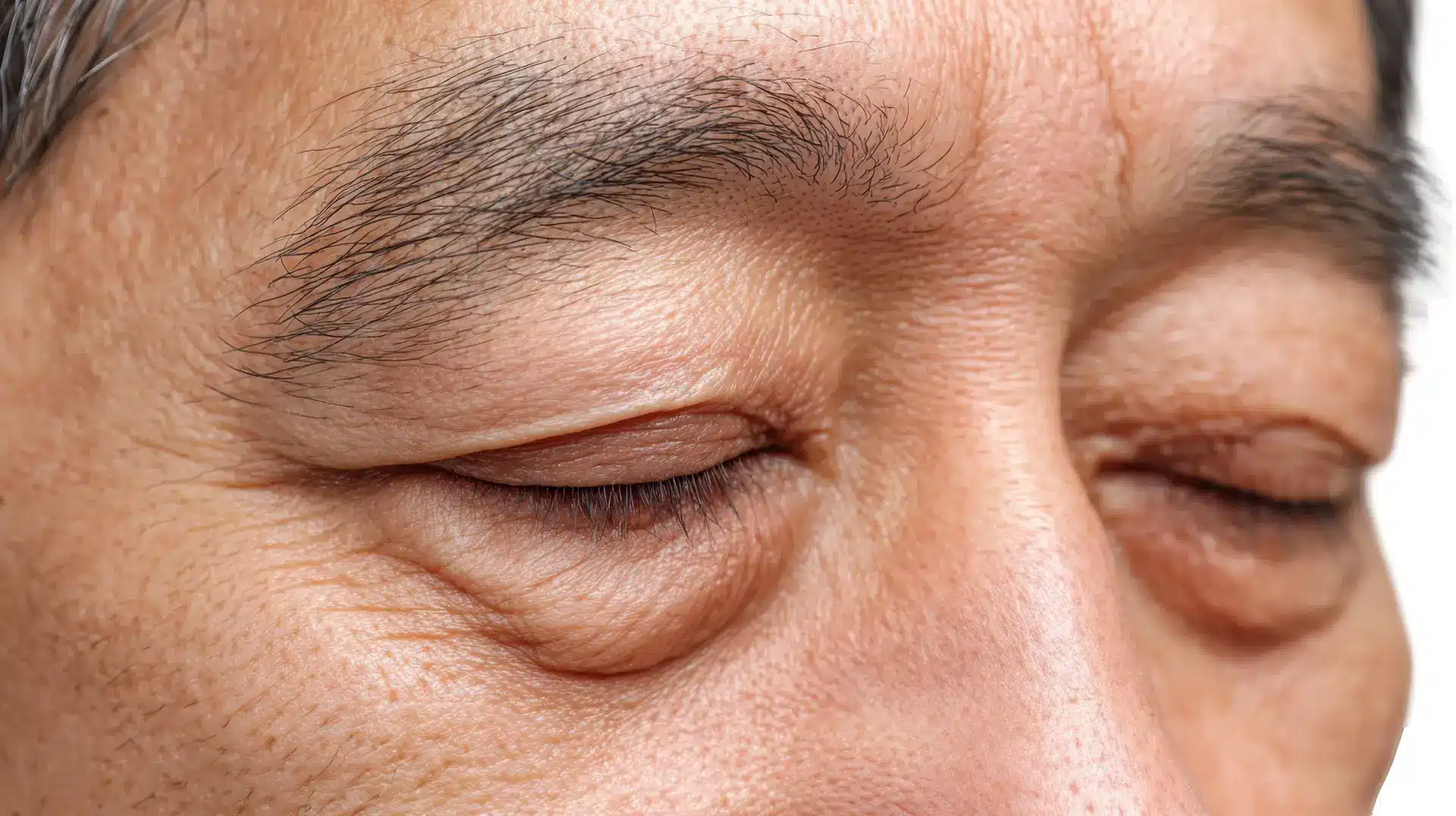
Many people assume that heavy or drooping eyelids are simply a normal part of ageing. However, when the upper eyelid begins to obstruct vision, causes eye strain, or makes it difficult to keep the eyes fully open, it may indicate a condition known as ptosis (droopy eyelid). In some cases, the condition can progress gradually, making it easy to overlook the impact it has on daily activities such as reading, driving, or using digital devices.
Understanding the signs of ptosis can help you determine whether an assessment for droopy eyelid surgery Singapore may be appropriate. If you are exploring treatment options, you may also wish to learn more about droopy eyelid surgery cost in Singapore and the factors that can influence the overall treatment plan.
Your Upper Eyelids Are Blocking Part of Your Vision
One of the most common signs of ptosis is a gradual reduction in your upper field of vision. As the upper eyelid droops lower than normal, it may begin to cover part of the pupil, making it more difficult to see objects above eye level. Many people do not notice this change immediately because it often develops slowly over time.
You may find yourself needing to tilt your head back to read signs, struggling to see traffic lights while driving, or having difficulty focusing on activities that require a clear line of sight. In some cases, individuals unconsciously adapt to the obstruction without realising that their eyelids are contributing to the problem.
When drooping eyelids begin to interfere with everyday tasks or affect visual function, it may indicate that the condition extends beyond a cosmetic concern. An assessment can help determine whether the eyelid position is impacting vision and whether treatment may be appropriate.
You Frequently Raise Your Eyebrows to See Better
People with drooping eyelids often develop unconscious habits to compensate for the reduced opening of their eyes. One of the most common is repeatedly lifting the eyebrows in an effort to raise the upper eyelids and improve vision. While this may provide temporary relief, it can place additional strain on the forehead muscles throughout the day.
Over time, constantly engaging these muscles may contribute to forehead tension, fatigue, or discomfort. Some individuals also notice that their forehead appears more wrinkled because the muscles are working harder to keep the eyes open. These changes can occur gradually, making them easy to overlook.
If you frequently catch yourself raising your eyebrows in photos, during conversations, or while concentrating on tasks, it may be a sign that your eyelids are not functioning as effectively as they should. Rather than being solely an age-related change, this compensation mechanism can indicate underlying weakness of the muscles responsible for lifting the upper eyelids.
One Eyelid Sits Lower Than the Other
While slight facial asymmetry is common, a noticeable difference in the height of the upper eyelids may be a sign of ptosis. In some individuals, only one eyelid is affected, causing one eye to appear smaller, less open, or more tired than the other. This asymmetry can become more apparent in photographs or when looking in the mirror.
A drooping eyelid may develop for several reasons, including age-related stretching of the eyelid muscle, congenital conditions present from birth, previous eye surgery, injury, or certain medical conditions that affect the nerves or muscles around the eye. The degree of drooping can vary, ranging from a subtle difference in eyelid position to a more significant obstruction of vision.
You Find Yourself Tilting Your Head Back to See Clearly
Another common but often overlooked sign of drooping eyelids is the habit of tilting the head backward to improve vision. When the upper eyelid partially covers the pupil, some individuals instinctively lift their chin to create a clearer line of sight. This adjustment may occur so naturally that they are unaware they are doing it.
You may notice this behaviour when reading signs, watching television, using a computer, or engaging in conversations. In more significant cases of ptosis, the head tilt can become a frequent compensatory mechanism that helps minimise the visual obstruction caused by the drooping eyelid.
When Is Droopy Eyelid Surgery in Singapore Considered?
Not everyone with drooping eyelids requires surgery, but treatment may be considered when the condition begins to affect vision, comfort, appearance, or daily activities. An assessment is important because drooping eyelids can develop for different reasons, and the most appropriate treatment depends on the underlying cause and severity of the condition.
During a consultation, the plastic surgeon will typically evaluate several factors, including:
- The position of the upper eyelids
- The function and strength of the eyelid muscles
- Whether the eyelids are obstructing vision
- The presence of eyelid asymmetry
- Any symptoms of eye strain or forehead fatigue
- Your overall eye health and medical history
In many cases, droopy eyelid surgery in Singapore may be considered if you experience one or more of the following:
- Difficulty keeping your eyes fully open
- A restricted upper field of vision
- Frequent eyebrow lifting to compensate for drooping eyelids
- Persistent heaviness or tiredness around the eyes
- A noticeable difference in eyelid height
- A tendency to tilt your head backward to see more clearly
Conclusion
Drooping eyelids can have a significant impact on both vision and daily comfort, especially when they make it difficult to keep your eyes fully open or interfere with routine activities. While some cases are mild, persistent symptoms such as visual obstruction, eye fatigue, forehead strain, or noticeable eyelid asymmetry may warrant a professional assessment.
If you are experiencing symptoms of drooping eyelids and would like a personalised assessment, you can book a call with Dr Pearlie Tan, at
Pearl Plastic Surgery, Laser & Scar Clinic (Royal Square): Dr Pearlie Tan
101 Irrawaddy Road, #17-08, Royal Square Medical Centre, Singapore 329565
6 Napier Rd, #05-03 Gleneagles Medical Centre, Singapore 258499
Phone: +65 6592 7880
WhatsApp: +65 9831 8618
Email: [email protected]