Lo Que Todo Ciclista del Sur de California Debe Saber Sobre las Nuevas Leyes de Seguridad para Bicicletas Eléctricas
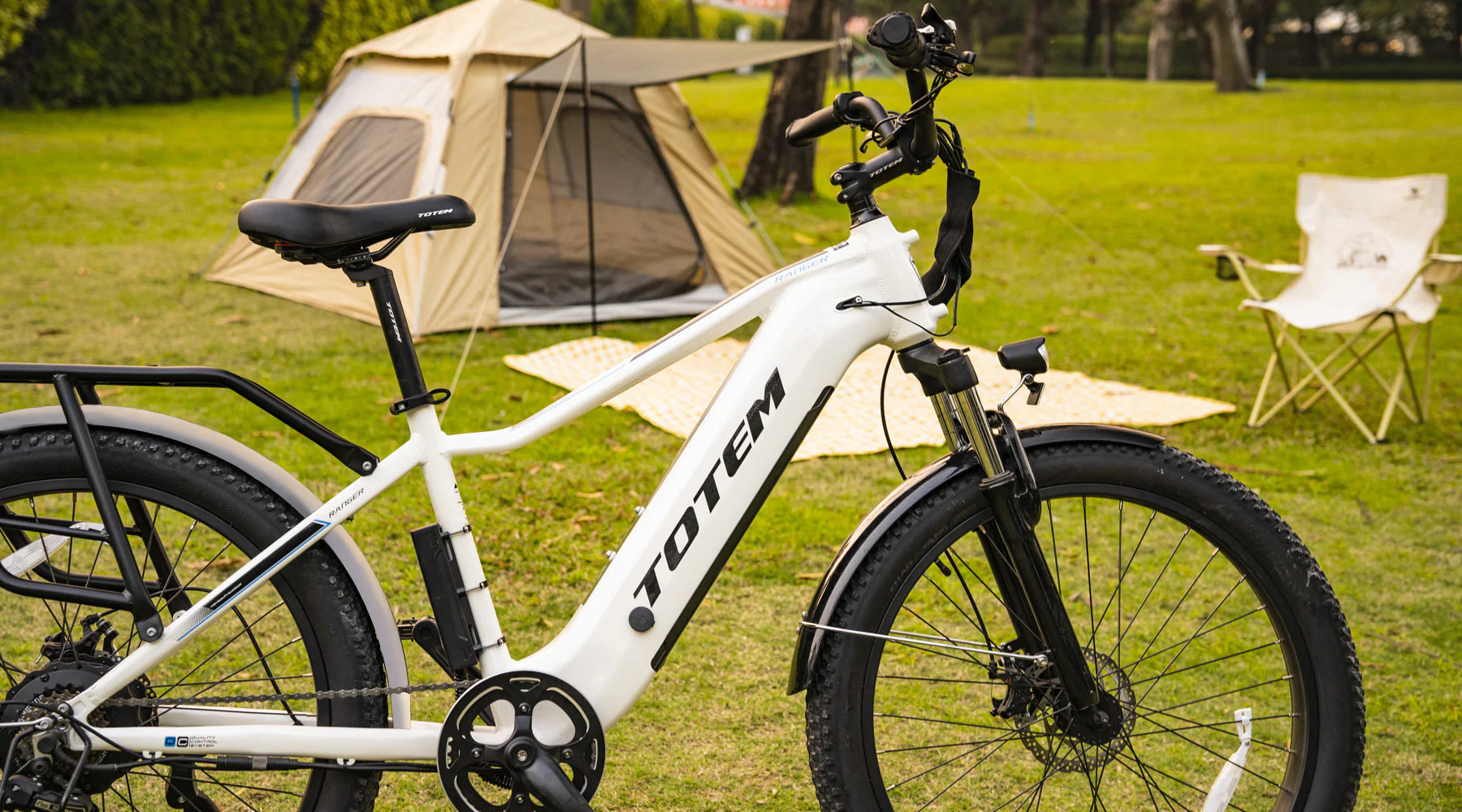 Las bicicletas eléctricas ya son parte del paisaje cotidiano en los carriles costeros, senderos y calles residenciales del sur de California. Su creciente popularidad, sin embargo, ha venido acompañada de un aumento preocupante en accidentes y lesiones, particularmente entre los ciclistas más jóvenes. Conocer el marco legal actual es esencial para circular de forma segura y evitar consecuencias costosas.
Un Nuevo Marco Regulatorio para 2026
El 1 de enero de 2026 entraron en vigor cuatro nuevas leyes estatales que endurecen considerablemente las reglas para quienes usan bicicletas eléctricas en California. Estas nuevas leyes de seguridad para bicicletas eléctricas representan el esfuerzo más significativo del estado por ordenar un sector que ha crecido más rápido que la propia regulación. Entender qué cambió es el primer paso para mantenerse del lado correcto de la ley.
Una de las medidas más importantes prohíbe la venta de productos que modifiquen el limitador de velocidad de una bicicleta eléctrica. Quienes infrinjan esta norma enfrentan cargos por contravención. Asimismo, ahora es ilegal que minoristas o particulares vendan una bicicleta eléctrica de Clase 3 a menores de 16 años, con multas de hasta $250 por cada infracción.
Otra novedad relevante es que los reflectores rojos, antes obligatorios solo de noche, ahora deben estar visibles en todo momento. Por último, los menores de 18 años citados por no usar casco pueden solicitar la desestimación de la multa si completan un curso de seguridad y presentan prueba de un casco homologado.
Las Tres Clases de Bicicletas Eléctricas y Sus Reglas
California clasifica las bicicletas eléctricas en tres categorías, cada una con sus propias condiciones de uso. Las bicicletas de Clase 1 ofrecen asistencia al pedaleo hasta los 32 km/h, mientras que las de Clase 2 añaden un acelerador que también se limita a esa velocidad. Para ambas clases, no existe edad mínima, aunque los menores de 17 años están obligados a usar casco.
Las bicicletas de Clase 3 alcanzan los 45 km/h con asistencia al pedaleo y están restringidas a mayores de 16 años. El uso del casco es obligatorio para todos los ciclistas y pasajeros, sin importar la edad. Estas bicicletas no están permitidas en senderos Clase I, que son los caminos fuera de la vía compartidos con peatones.
Conocer la clase de su bicicleta no es solo una cuestión técnica: determina dónde puede circular legalmente y qué equipo de seguridad debe llevar. La policía ya está autorizada a confiscar bicicletas capaces de superar los 32 km/h si han sido modificadas ilegalmente o si son operadas por menores que no cumplen los requisitos de edad.
Dónde Pueden Circular las Bicicletas Eléctricas
El acceso a los diferentes tipos de infraestructura ciclista varía según la clase de bicicleta. Los senderos fuera de la vía compartidos con peatones están disponibles únicamente para bicicletas de Clase 1 y 2. Los carriles protegidos en la vía, las rutas señalizadas y las ciclovías separadas del tráfico admiten las tres clases.
Ninguna bicicleta eléctrica puede circular por senderos de tierra en parques regionales o zonas naturales protegidas. Circular por las aceras tampoco está permitido en la mayoría de los municipios. En la vía pública, todos los ciclistas deben mantenerse lo más a la derecha posible y circular en el mismo sentido del tráfico.
Responsabilidad Legal: ¿Quién Paga en Caso de Accidente?
California opera bajo un sistema basado en la culpa, lo que significa que quien causa un accidente es responsable de los daños económicos que se deriven. Sin embargo, en los accidentes con bicicletas eléctricas, la responsabilidad puede recaer sobre múltiples partes, incluyendo conductores de automóviles, entidades gubernamentales y los propios ciclistas, según las circunstancias.
Las leyes de negligencia comparativa permiten distribuir la culpa entre varias partes. Esto significa que incluso si un ciclista tuvo alguna responsabilidad en el accidente, aún puede tener derecho a recibir compensación. Consultar con un abogado especializado es fundamental para entender los derechos de cada persona en estas situaciones.
A partir de 2026, los padres también enfrentan una mayor exposición legal. Si un menor infringe las leyes sobre bicicletas eléctricas, los progenitores pueden enfrentar multas, la confiscación del vehículo e incluso cargos penales en casos graves. Un incidente ocurrido en marzo en Yorba Linda resultó en cargos por poner en peligro a un menor contra un padre cuyo hijo de 12 años resultó herido sobre una motocicleta eléctrica ilegal.
El Modelo de Huntington Beach y Su Impacto Regional
Huntington Beach se ha posicionado como referente en la aplicación de las normas de seguridad ciclista en el Condado de Orange. El Departamento de Policía de Huntington Beach está autorizado a confiscar bicicletas y emitir multas de $400 a quienes infrinjan las ordenanzas locales. Además, la ciudad exige que los estudiantes completen cursos de seguridad antes de circular hacia sus escuelas.
En marzo de 2026, la ciudad celebró su primer “rodeo de bicicletas”, un evento educativo donde jóvenes ciclistas aprendieron las reglas de tráfico en un circuito guiado por agentes de policía. Este enfoque combinado de educación y aplicación de normas ha captado la atención de otras ciudades vecinas.
Seal Beach ha restringido el acceso de bicicletas eléctricas con motor a parques, playas y el muelle municipal. Irvine estudia una ordenanza que multaría a los padres con hasta $500 por infracciones de sus hijos. Fullerton explora prohibiciones locales contra conductas peligrosas como hacer caballitos o circular en zigzag entre el tráfico.
Consejos Prácticos para Circular con Seguridad
Antes de salir, es recomendable inspeccionar el estado de la bicicleta revisando frenos, ruedas, manillar y motor. Comprar únicamente bicicletas de fabricantes reconocidos que incluyan características de seguridad estándar también reduce riesgos considerablemente. Conocer las reglas específicas del municipio donde se circula es igualmente importante, ya que las ordenanzas locales pueden variar.
Durante el recorrido, use siempre casco, controle la velocidad y manténgase alerta a peatones, baches y vehículos estacionados. De noche, el uso de luces y ropa reflectante es obligatorio y puede marcar la diferencia en una situación de emergencia. Ceder el paso a los peatones siempre debe ser una prioridad, independientemente de la prisa.
¿Fue Lesionado en un Accidente con Bicicleta Eléctrica?
El panorama legal en torno a las bicicletas eléctricas cambia con rapidez, y las consecuencias de no cumplir van desde multas hasta lesiones graves y procesos judiciales complejos. Si usted o un familiar sufrió daños en un accidente de este tipo en el sur de California, abogados locales de accidentes de bicicleta puede orientarle sobre sus derechos y las opciones disponibles para obtener compensación.
Mantenerse informado sobre las nuevas leyes de seguridad para bicicletas eléctricas ya no es opcional: es una responsabilidad compartida por ciclistas, padres y toda la comunidad que utiliza las vías públicas del Condado de Orange.