What to Expect When Starting an Oral Weight Loss Programme
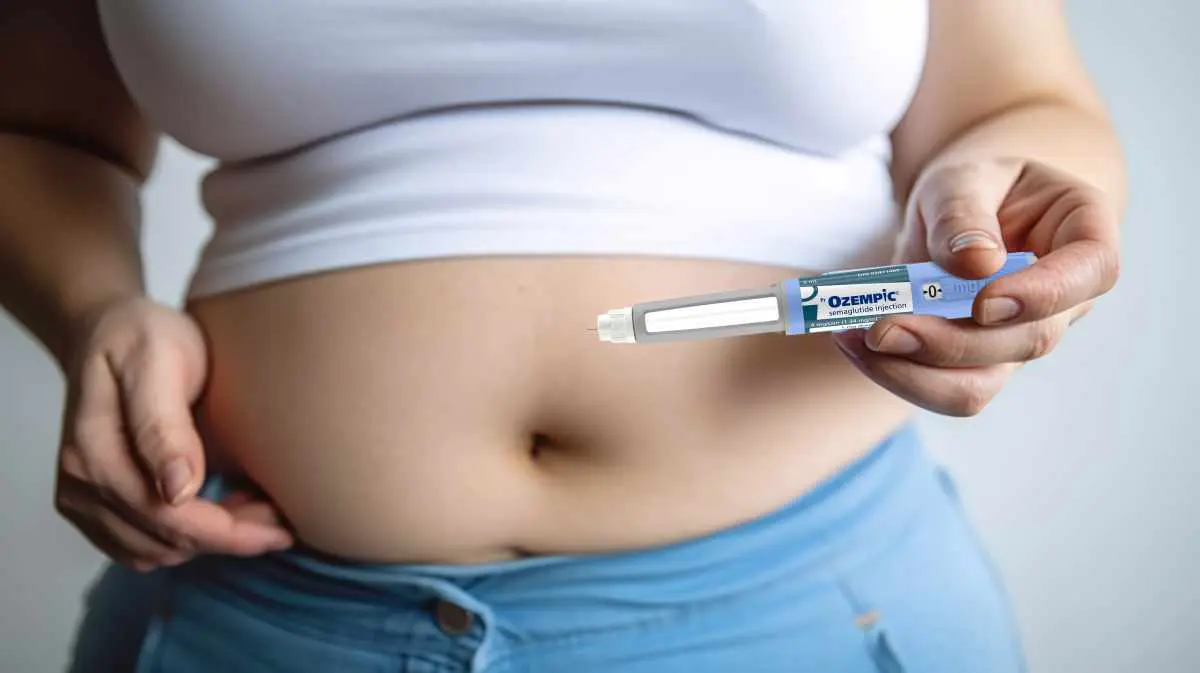
In recent years, interest in oral weight loss options has grown steadily in Singapore, especially among individuals looking for more convenient and structured ways to manage their weight. Many people struggle with strict dieting, persistent cravings, busy work schedules, and slow or inconsistent progress despite repeated efforts.
As a result, more patients are exploring oral weight loss programs as part of a medically supervised approach to support their weight management goals. However, starting an oral weight loss program is not simply about taking medication alone.
It often involves lifestyle guidance, regular monitoring, and realistic goal setting to help individuals build healthier and more sustainable habits over time. To learn more about oral weight loss options in Singapore, read here https://weightlossclinic.sg/oral-wegovy-weight-loss-singapore/ .
Your First Consultation: Understanding Your Health and Goals
The first step in an oral weight loss program usually begins with a detailed consultation to better understand your overall health, lifestyle habits, and weight management goals. During the session, your doctor may discuss your medical history, current eating patterns, physical activity levels, sleep quality, stress levels, and any previous attempts at losing weight. This helps create a clearer picture of the factors that may be affecting your progress.
Rather than focusing on body weight alone, doctors often consider other important indicators such as BMI, waist circumference, and obesity-related health concerns like high blood pressure, cholesterol issues, or diabetes risk. A personalized assessment is important because weight management is not the same for everyone. By understanding your individual needs and challenges, your doctor can recommend a more suitable oral weight loss approach while setting realistic and sustainable expectations for your journey.
Oral Treatment Options in Weight Management
Oral weight loss treatment options may differ depending on an individual’s health status, lifestyle, and weight management goals. In a medically supervised program, doctors will typically recommend an option based on how it supports appetite control, eating behavior, and overall metabolic health.
Common oral treatment approaches may include:
- Appetite regulation support – helping to reduce hunger and control frequent cravings
- Improved satiety response – helping individuals feel full sooner during meals
- Craving management – assisting with reduced snacking or emotional eating tendencies
- Metabolic support (in selected treatments) – helping the body better manage energy balance
It is important to note that oral treatments are not suitable for everyone. A proper medical assessment is needed before starting, especially for individuals with conditions such as diabetes, high blood pressure, or high cholesterol.
How Oral Weight Loss Medications May Support Weight Management
Oral weight loss medications are generally prescribed as part of a broader weight management plan rather than a standalone solution. Depending on the medication recommended, they may work in different ways to support weight loss efforts, such as helping to control appetite, reduce cravings, or improve feelings of fullness after meals. For some individuals, this can make it easier to maintain healthier eating habits and reduce excessive snacking or overeating throughout the day.
It is important to understand that results can vary from person to person. Factors such as lifestyle habits, dietary choices, activity levels, and underlying health conditions can all influence progress during an oral weight loss programme. While some patients may notice gradual changes in their appetite or eating patterns early on, sustainable weight management usually requires consistency and long-term habit changes alongside medical guidance.
What the First Few Weeks May Feel Like
The first few weeks of an oral weight loss programme can feel slightly different for each individual as the body adjusts to the treatment plan and new lifestyle habits. Some people may notice reduced appetite, smaller meal portions, or fewer cravings, while others may take more time before experiencing noticeable changes. During this period, patients are often encouraged to pay closer attention to their eating habits, hunger cues, hydration, and daily routines.
Some individuals may also experience mild side effects during the adjustment phase, depending on the medication prescribed and their individual response. This is why regular follow-up reviews are important, as they allow doctors to monitor progress, address concerns, and make adjustments when necessary. In most cases, the focus is not on rapid weight loss but on building gradual, sustainable progress that can be maintained more comfortably over time.
Lifestyle Habits Still Matter During an Oral Weight Loss Programme
While oral weight loss medications may support appetite control and healthier eating patterns, lifestyle habits still play an important role in achieving sustainable results. Many oral weight loss programs are designed to work alongside practical lifestyle adjustments rather than replacing them entirely. This often includes improving meal balance, increasing daily movement, maintaining hydration, getting adequate sleep, and managing stress levels more effectively.
Instead of following overly restrictive diets or extreme exercise routines, patients are usually encouraged to focus on smaller and more realistic changes that are easier to maintain long term. Simple habits such as eating more mindfully, reducing high-calorie snacks, staying physically active, and maintaining consistent routines can contribute to better overall progress.
Tracking Progress Beyond the Number on the Scale
During an oral weight loss program, progress is not always measured by body weight alone. While weight reduction may be one goal, many individuals also notice other positive changes throughout their journey. These may include improved energy levels, reduced cravings, better portion control, healthier eating habits, improved sleep quality, or greater confidence in managing daily routines.
Focusing only on the weighing scale can sometimes feel discouraging, especially when progress happens gradually. In reality, sustainable weight management often involves steady lifestyle improvements that develop over time.
Conclusion
Starting an oral weight loss program is often a structured and personalized journey rather than a quick fix. With proper medical guidance, lifestyle adjustments, and regular follow-up, it can help individuals build more sustainable habits and work towards healthier long-term weight management goals. If you are considering oral weight loss options and would like to understand what may be suitable for you, you may book a consultation with us, at: Edwin Lim Clinic – Medical Weight Loss Pen | Ozempic | Wegovy | Mounjaro | Rybelsus | Saxenda #02-12/13 Changi City Point #05-51, Lucky Plaza (By Appointment Only)
Phone: +65 91234567